
Richard Thomas, born in 1939 in Detroit, Michigan, became a Baha'i after serving in the Navy; he is Professor Emeritus of history at Michigan State University, and has written several books on race, history and the Baha'i community in the United States. June Manning Thomas was born in Orangeburg, South Carolina, in 1950 and became a Baha'i after she met Richard. June is Centennial Professor of urban and regional planning at the University of Michigan and is the author of several pioneering works on the intersection of race and urban planning particularly in Detroit. The Thomases live in Ann Arbor, Michigan, where they are active in community-service and educational activities.
1.From South Carolina to Michigan
My church was filled with Civil Rights protestors – one of them said I should explore the Baha’i faith.
2.A domestic, a laundryman & a professor
My parents sent me to an integrated school but I was too mischievous – so I returned to an all-black community.
3.Like a thief in the night
I was a fundamentalist black Baptist who believed in the return of Christ – but the Baha’i teachings blew my mind.
4.Leaving home
If you’ve been in a black church you know how dynamic it is – leaving it for an inter-racial community was traumatic.

5.Three years of harassment and ostracism
I was part of the vanguard of black students who integrated my high school – I rode in a police car to go to class.

6.The Orangeburg massacre
It was so close – if I’d been standing on the front steps of my church at that moment I would’ve seen everything.

7.Growing up as a Civil Rights warrior
The Baha’i community taught racial unity and they also lived it – which was the goal of the Civil Rights movement.
8.Hollow options in the 1960s
We had friends who were Black Panthers – there was a lot of fronting with bullets and guns.
9.Black is beautiful
There was a deeply entrenched self-hate among dark-skinned African-Americans – it dated back to slavery.
10.Abdu’l-Baha in America
The head of the Baha’i faith visited the United States in 1912 and described blacks and whites as sapphires and pearls.
11.Applying Baha’i ideas to scholarship & academia
White students felt guilty and didn’t know what to do, and students of color would feel extremely angry.
12.Urban redevelopment and race
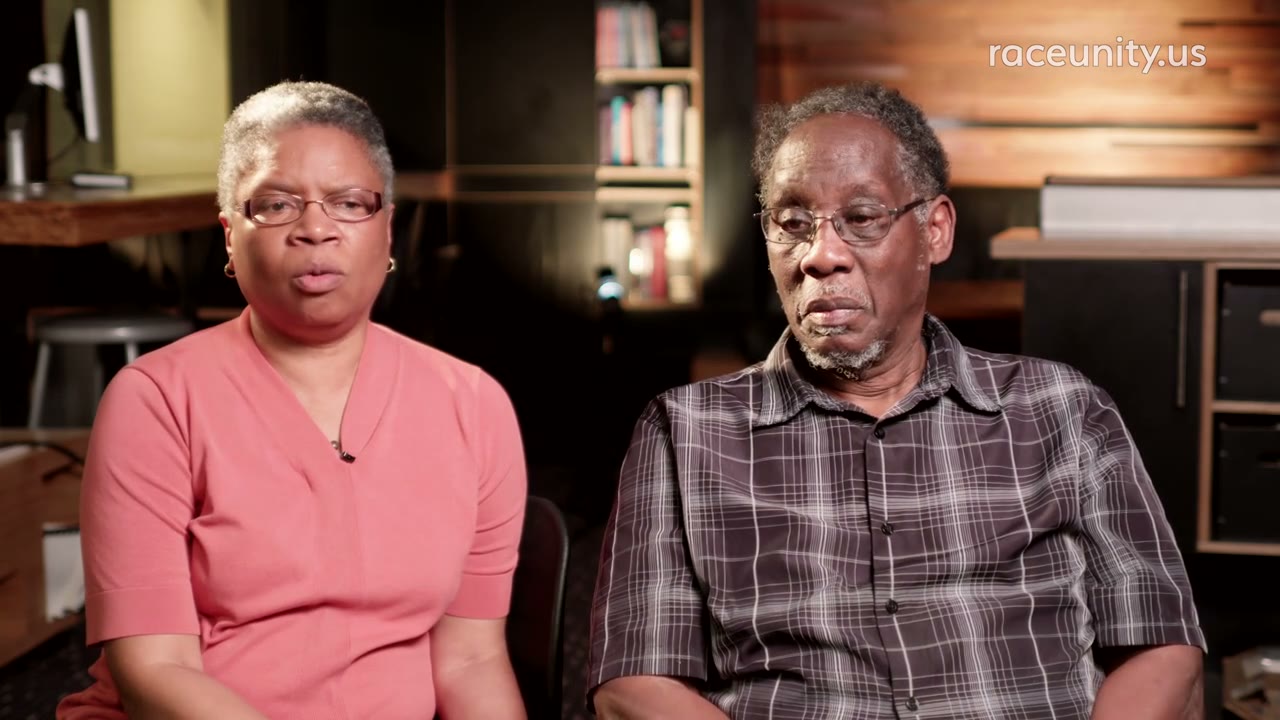
My field, urban planning, has destroyed many African-American communities. I saw it as my charge to address that.
13.Building new communities in the inner cities
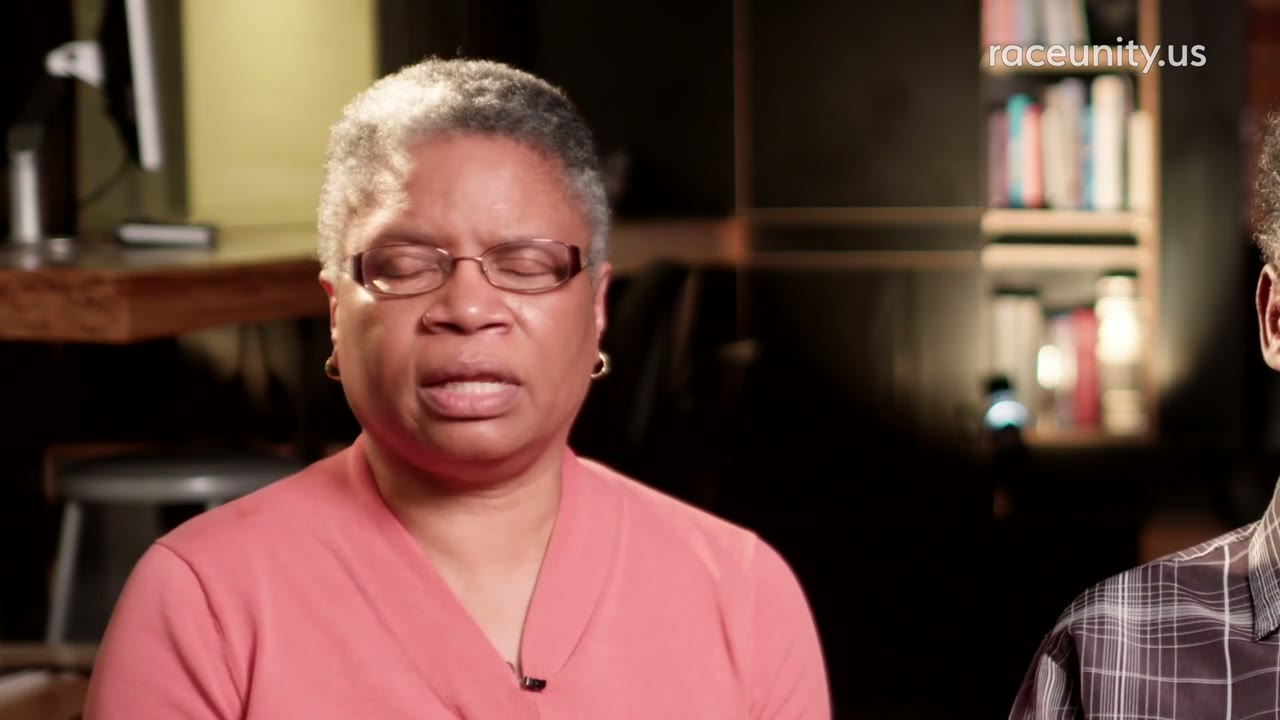
What’s facing us now in achieving race unity is that some people are privileged – many others are severely disadvantaged.
14.Ending residential segregation is not gentrification
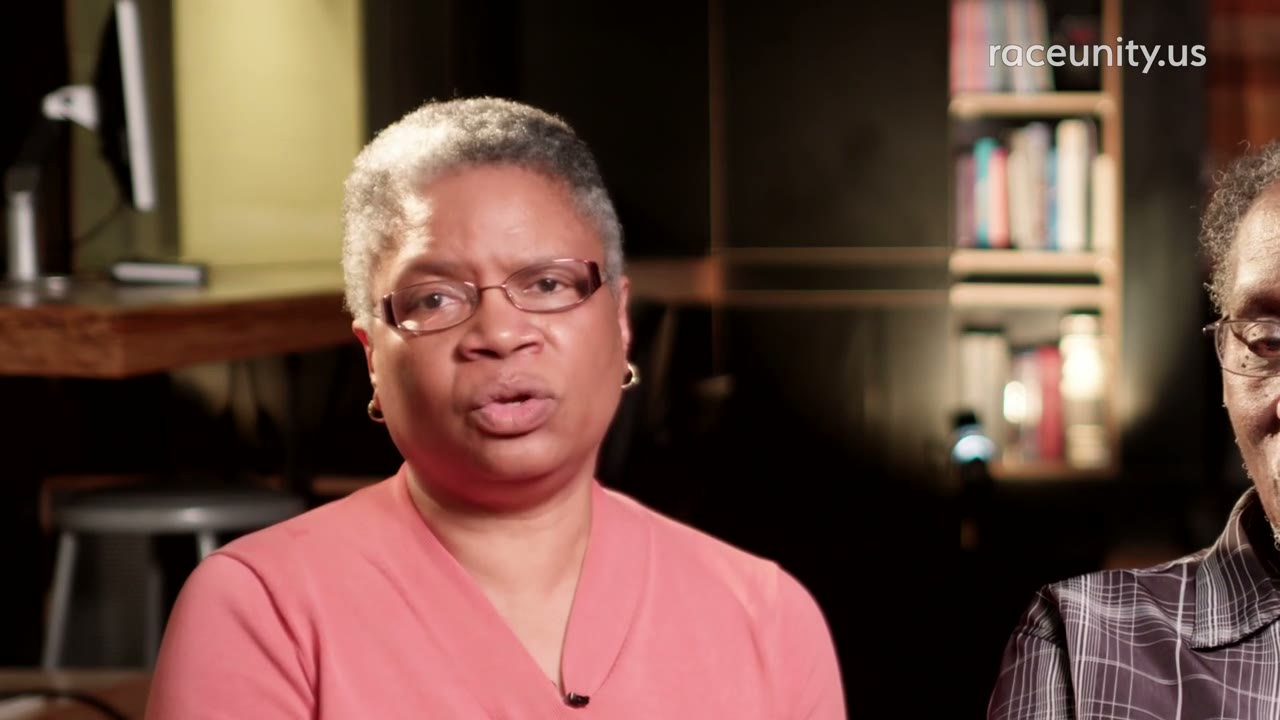
Baha’i institutions say we must live among people of different races – and to show them hospitality and love.