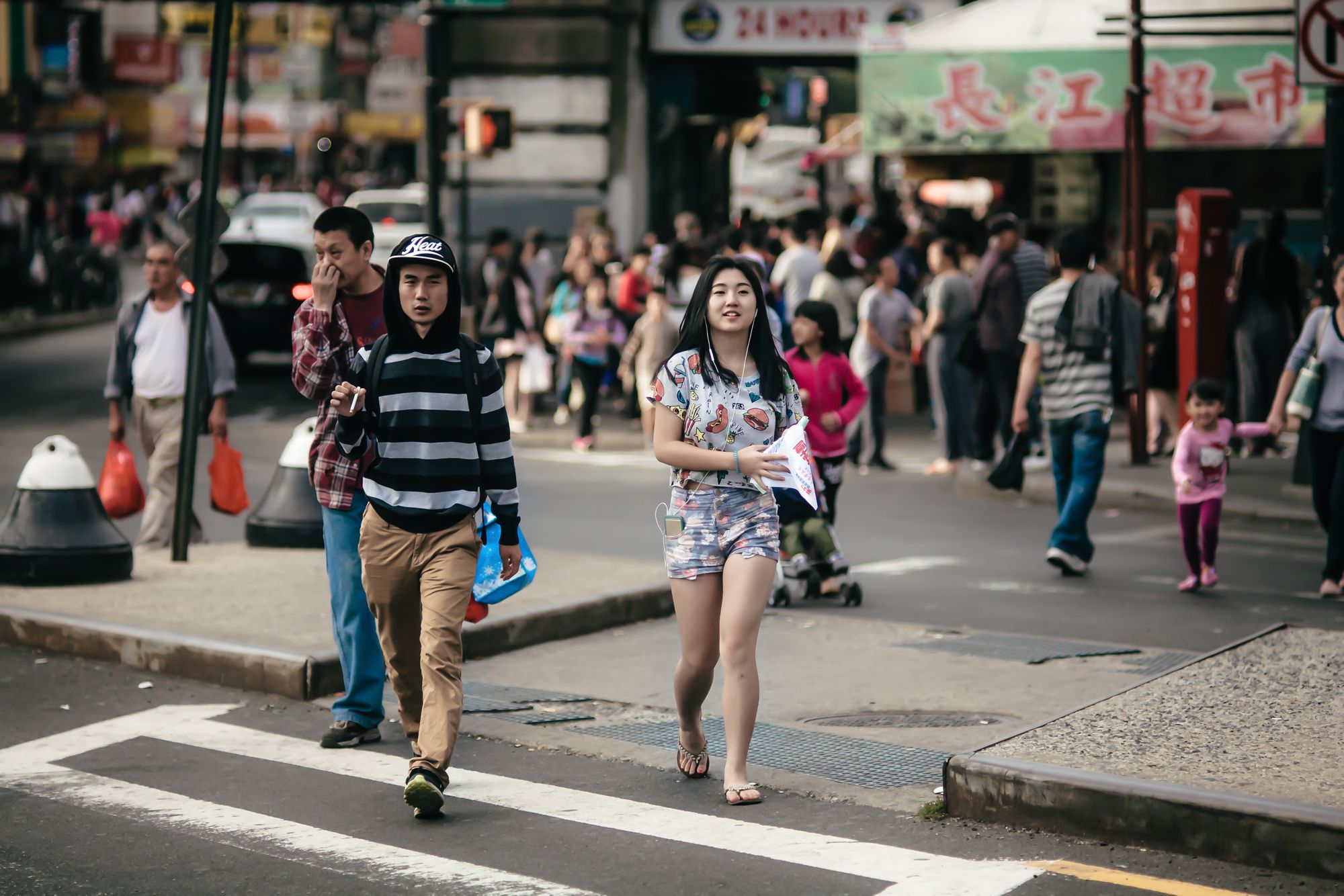
Racial IdentityGrowing up Chinese-American in QueensWe lived in a home with several generations under one roof – but outside everyone was from different backgrounds.
Baha'i Community BuildingThe intersection of race, class and young peopleThe Baha’i junior youth program helps develop powers of expression – so that young people become aware of injustice and how to address them.
Racial IdentityA family’s legacyMy eighth-grade teacher taught us as if the eighth grade was going to be our last year of education.
Racial UnityWorking for racial harmonyI am a black woman so I felt my duty was to talk about race in a positive way, not dwelling on what we have been through.
Racial IdentityOn raising black childrenAs I get older, I find that my kids don’t need my opinion, they need my love.
Baha'i Community BuildingRace and the twofold moral purposeI didn’t feel racism growing up in Memphis. But at university I learnt why – the racism in Memphis is invisible racism.
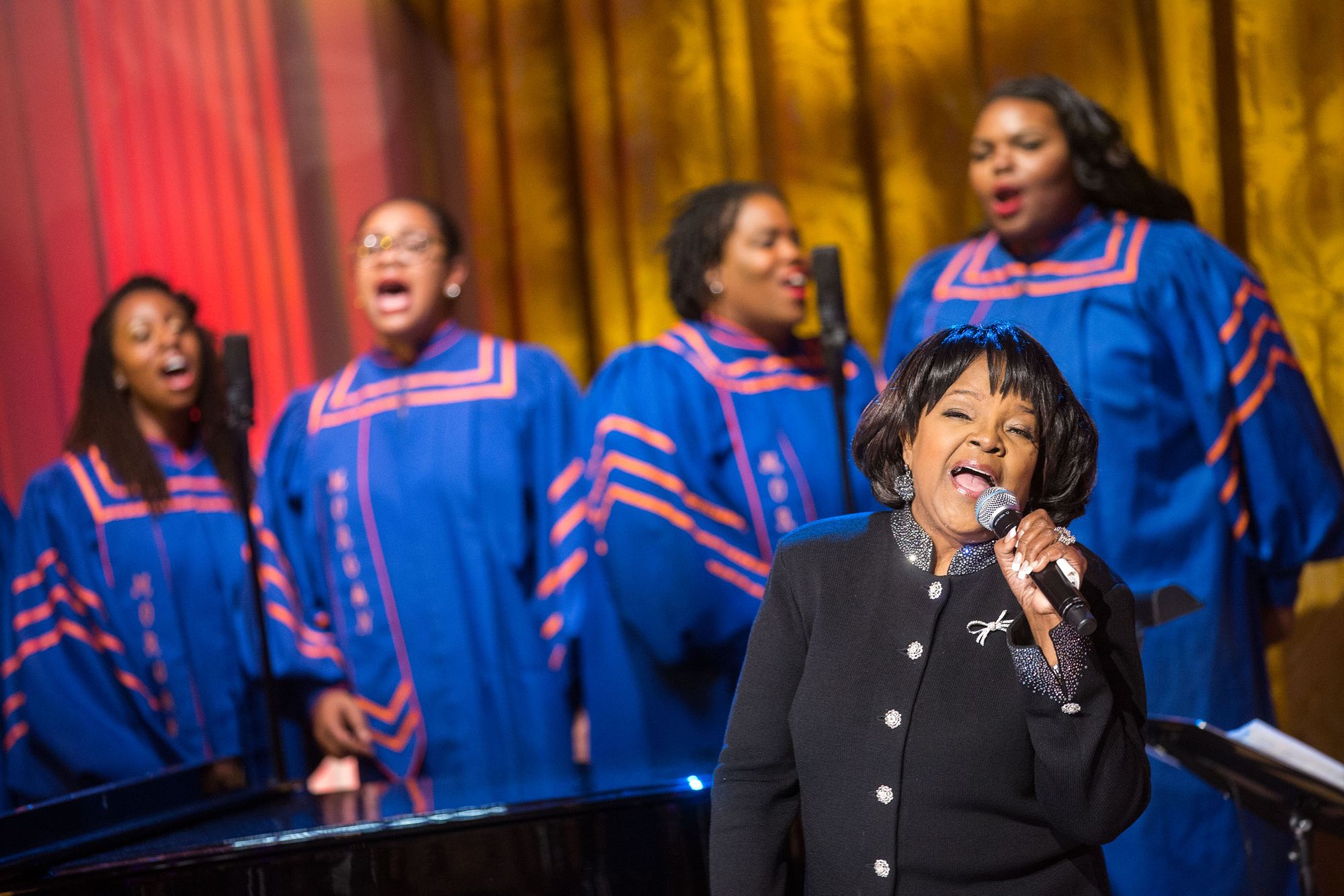
Racial IdentityA family of preachers and singersThe black church was a phenomenal spiritual education.
Racial IdentityHold on, just a little while longerI began to understand the oneness of religion after an old Czech woman told me she knew my grandmother in her heart.
Baha'i FaithFrom Christian to Baha’i – via ChristIn the Bible we’re told to watch and pray, that Christ will come again like a thief in the night.
Baha'i FaithA fountain of lightBaha’u’llah says people of African descent are the “pupil of the eye” – it has caused me to reflect on my role in this world.
Segregation in AmericaThe only way to get to heavenMy church and community were so segregated that I was in high school before realizing the world wasn't mostly black.
Racism in AmericaA lack of diversityThe national conversation on race wasn't on my radar when I was growing up.
Interracial RelationshipsGiving God a deadlineI met Suhail and it was mutual disinterest at first sight. But when he hugged me I thought, “I could get used to this.”
Baha'i CommunityA choice for the agesMy grandparents could have passed for white – but they were proud of being African-Americans and were active in Civil Rights.
Racial IdentityCommitted to the truthMy fourth-grade teacher referred to First Nations people as “savages” – my mother then told him to get his facts straight.
Baha'i CommunityFinding hope in a hopeless timeGrowing up in a Baha’i family in the 1960s gave me hope – otherwise I wouldn’t believe there could be justice for people of color.
Racial UnityWhat people think black people doI was an intellectual – my school didn't know how to handle somebody who wasn’t stereotypically black.
Racial IdentityMothers of black sonsYou have to be a warrior to raise black children in America today.
Segregation in AmericaOne life with many namesGrowing up was not easy. There wasn’t anyone to nurture or love you or to make you feel special.
Racism in AmericaThe only black family in the neighborhoodWe were the outsiders. My mother was very concerned about how we were perceived.
Racial IdentityRelying on Baha’u’llahI thought I would probably marry an African when I lived in Liberia. So I married a white man.
Racial IdentityDeciding it’s good to be blackJack Guillebeaux: I thought I would try out hating white folk. And that felt like a lot of work.
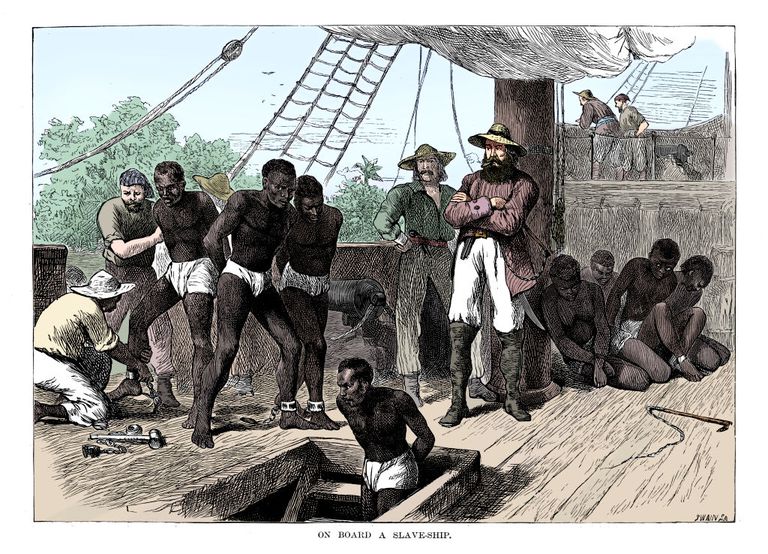
Racial IdentityFrom Michael to MasudI changed my name after discovering my father's surname was derived from an English slave captain’s name.
Baha'i CommunityLosing then finding his religionI noticed within the Baha'i community there were African-Americans, whites, Filipinos and others all working together.
Baha'i CommunityOffering an African-American spirit to the Baha'i faithWe would sing for hours and then deepen ourselves on our responsibilities as Baha’is.
Racial IdentitySay it loud: I’m black and I’m proudBarbara Talley: I hated Black History Week – they didn’t show us with any dignity.
Baha'i FaithGirl, you ain’t no Baha’iBarbara Talley: I had read others saying that black people are cursed, and here was a religion calling us noble.
Baha'i CommunityLove isn’t something to be scheduledBarbara Talley: I dealt with lots of racism – but I met these Baha’is that didn’t treat me like a color.
Baha'i FaithThe pupil of the eyeAnthony Vance: The Baha’i writings say that black people are “like the pupil of the eye” through which the light of the spirit shines.
Racial IdentityFrom North Carolina to the University of PennsylvaniaMichael Penn: Like so many of the African-Americans, we moved from the South to the North and we became New Yorkers.
Baha'i CommunityYe shall know them by their fruitsMichael Penn: I started to cry, but I wasn’t sure why I was crying.
Racial IdentitySuper minorityMy school was whittling our classes down to math, reading and gym – so my mom switched me to a rich white school.
Racial IdentityFeeling like an outsiderI just wanted a sense of belonging – so I thought I’d become a Christian. But then I went to Baha’i youth groups.
Racial DiscriminationIncarceration, race & class as a careerLabelling young people as irredeemable doesn’t help them to come out of prison and to contribute to society.
Racial IdentityPutting African-Americans in the centerWe had a race unity workshop where white people surrounded African-Americans and listened to their truth.
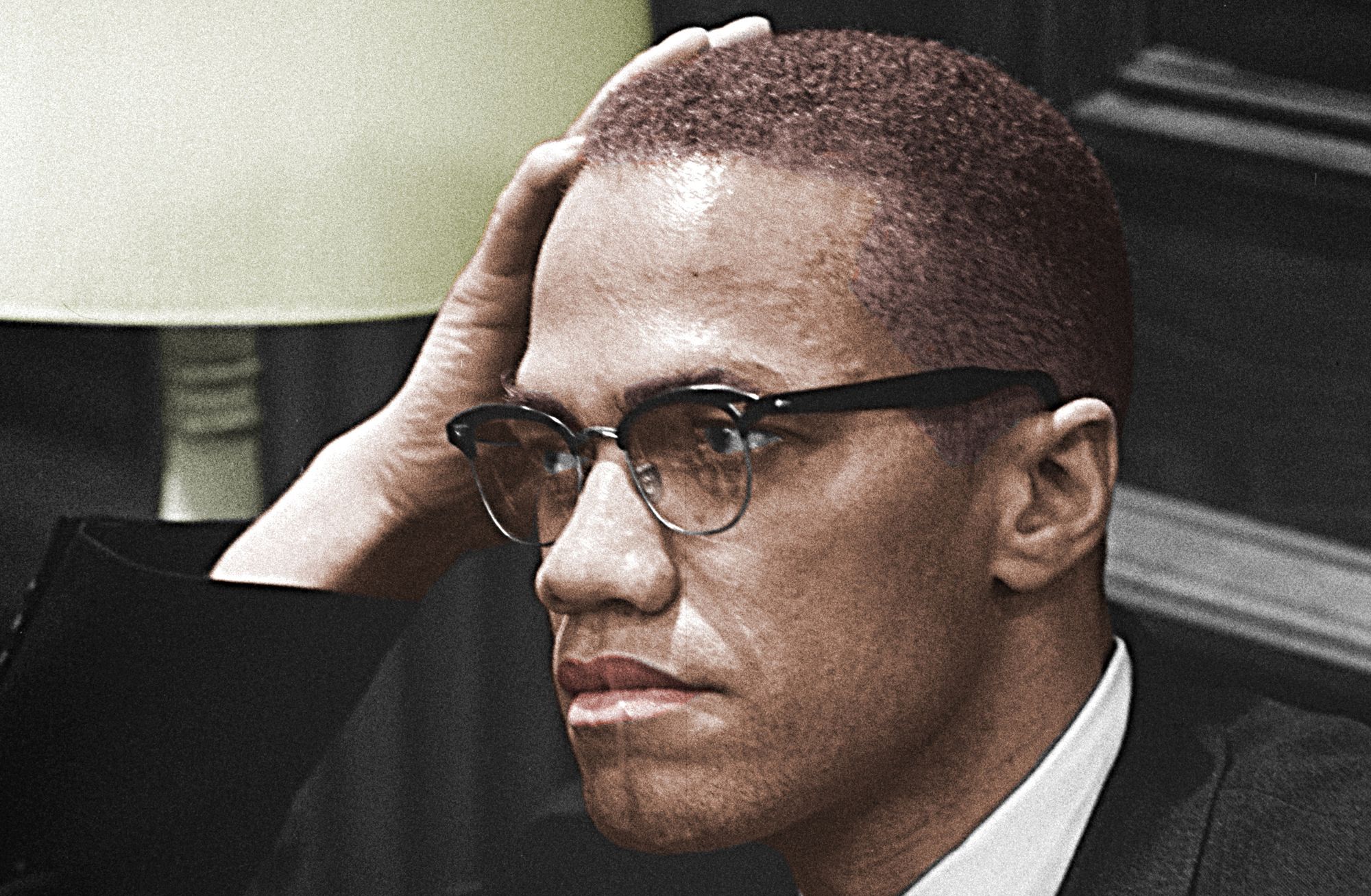
Baha'i CommunityTalking to Malcolm X about the Baha'i faithHussein Ahdieh: I met Malcolm X at a Baha’i event where he talked about horrible white people.
Racial IdentityGrowing up with changeTavoria Kellam: I don’t identify in terms of race, but because this is America, I don’t have a choice.
Racial IdentityDebunking color-blindnessTavoria Kellam: In the real world, the most salient thing about me is that I am black.
Baha'i FaithPurifying character to uproot racismTavoria Kellam: I’m done with reading about the Central Park Five, or Tamir Rice, because I know already.
Racial DiscriminationA loving community surrounded by dangerGrowing up in Boston, you didn’t go into Irish or Italian neighbourhoods. You’d be taking your life into your hands.
Racism in AmericaSupport on one side, dismissal on the otherMy teachers put me into a box – I had an aptitude for language but they said I couldn’t take Latin and that I wasn’t college material.
Racial IdentityHomelands of the ancestorsPeople of African descent were asked to be a source of encouragement to Baha’i communities in Africa – so we went.
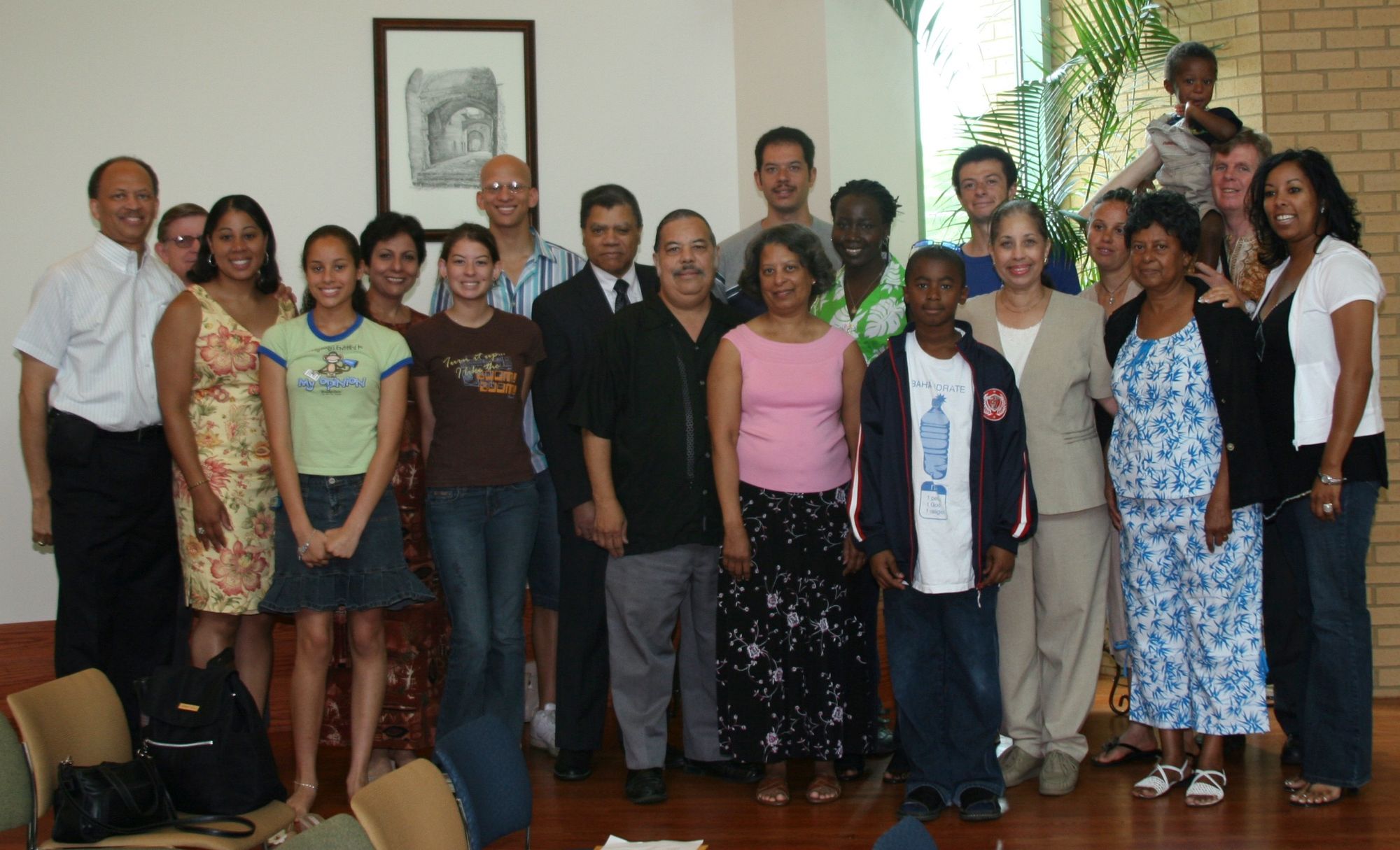
Racial IdentityNo easy boxes to checkIf you lined my family up we’d look like a little United Nations.
Racial IdentityRacism at home and abroadSouth African Baha’is of different races would meet and be visited by the police.
Racial IdentityBorn in the Midwest – and in the Far EastMy parents were sometimes told to go back where they came from – I would always try to defend my parents.
Baha'i CommunityUnity in diversityNature understands it – there’s so much diversity just in plant life but it all works together.
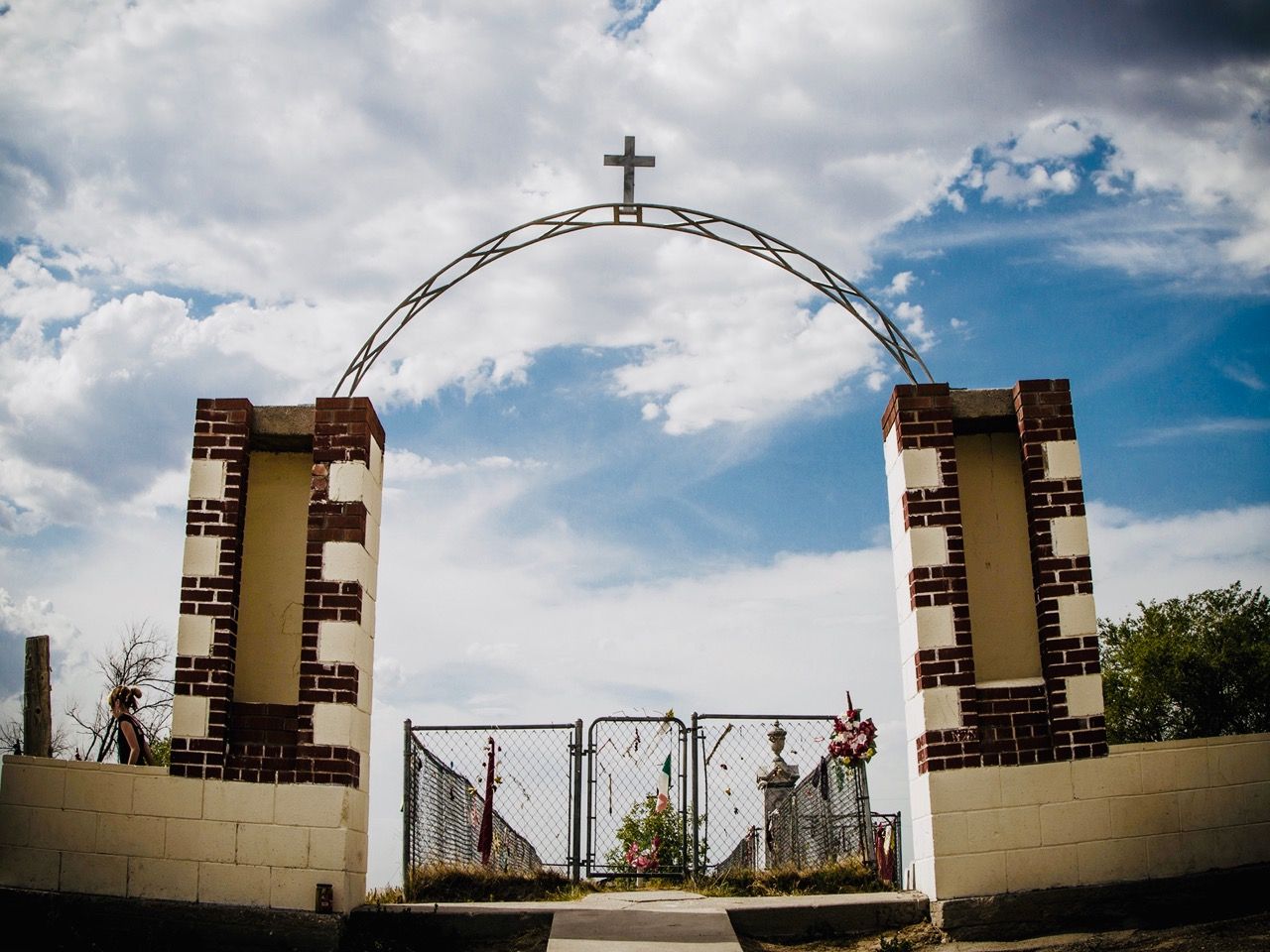
Baha'i Community BuildingA realization at Wounded KneeRace unity dances weren’t enough – I saw that we have to help communities deal with the problems they’re facing.
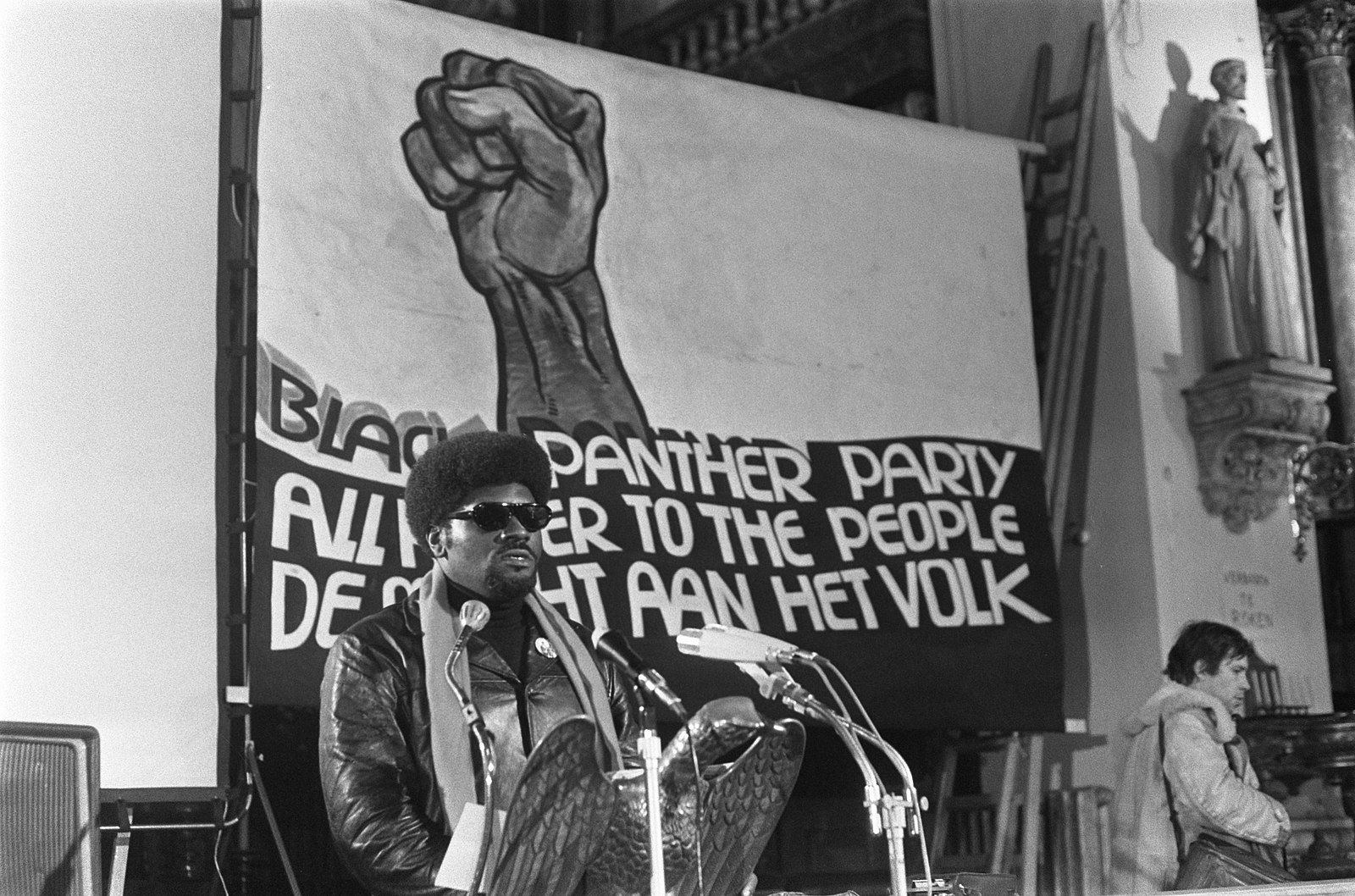
Racial IdentityUnapologetically blackJames Brown, Civil Rights, the assassinations of JFK, MLK and RFK, the Black Panthers, were all ingrained in my personality.
Racial UnityLearning then sharing the good newsBlack people were the most downtrodden in the world – I was all for anything that encouraged us.
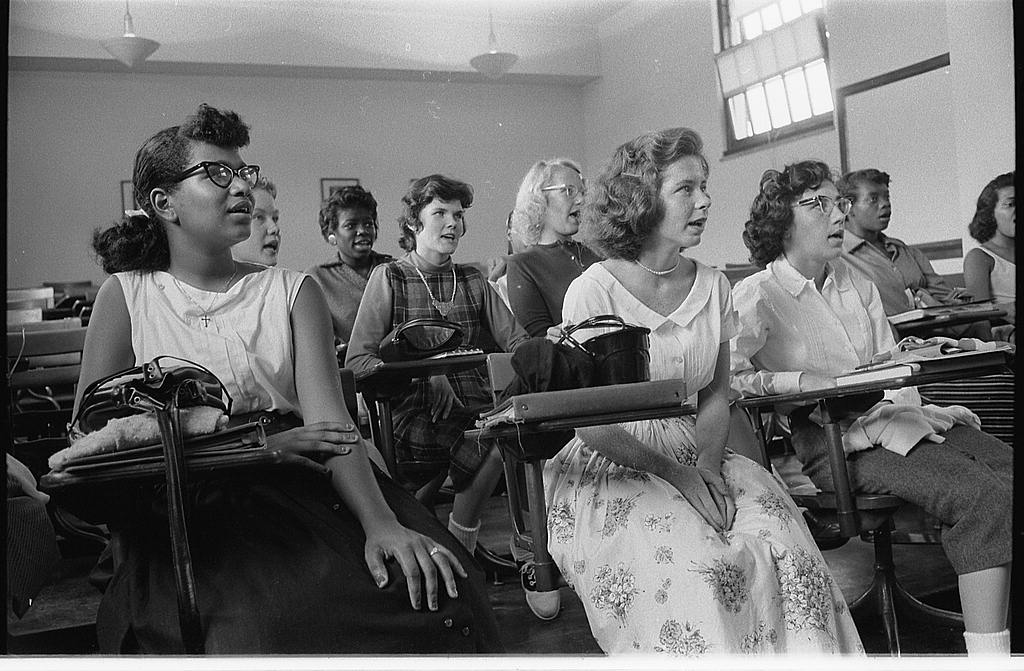
Racial IdentityHome and school – two different worldsI lived in an African-American community and went to a white school – you lose your sense of identity.
Racial IdentityWhere are African-Americans going?The Baha’i writings compare us to the “pupil of the eye” – I find it amazing to share that with young people who are in despair.
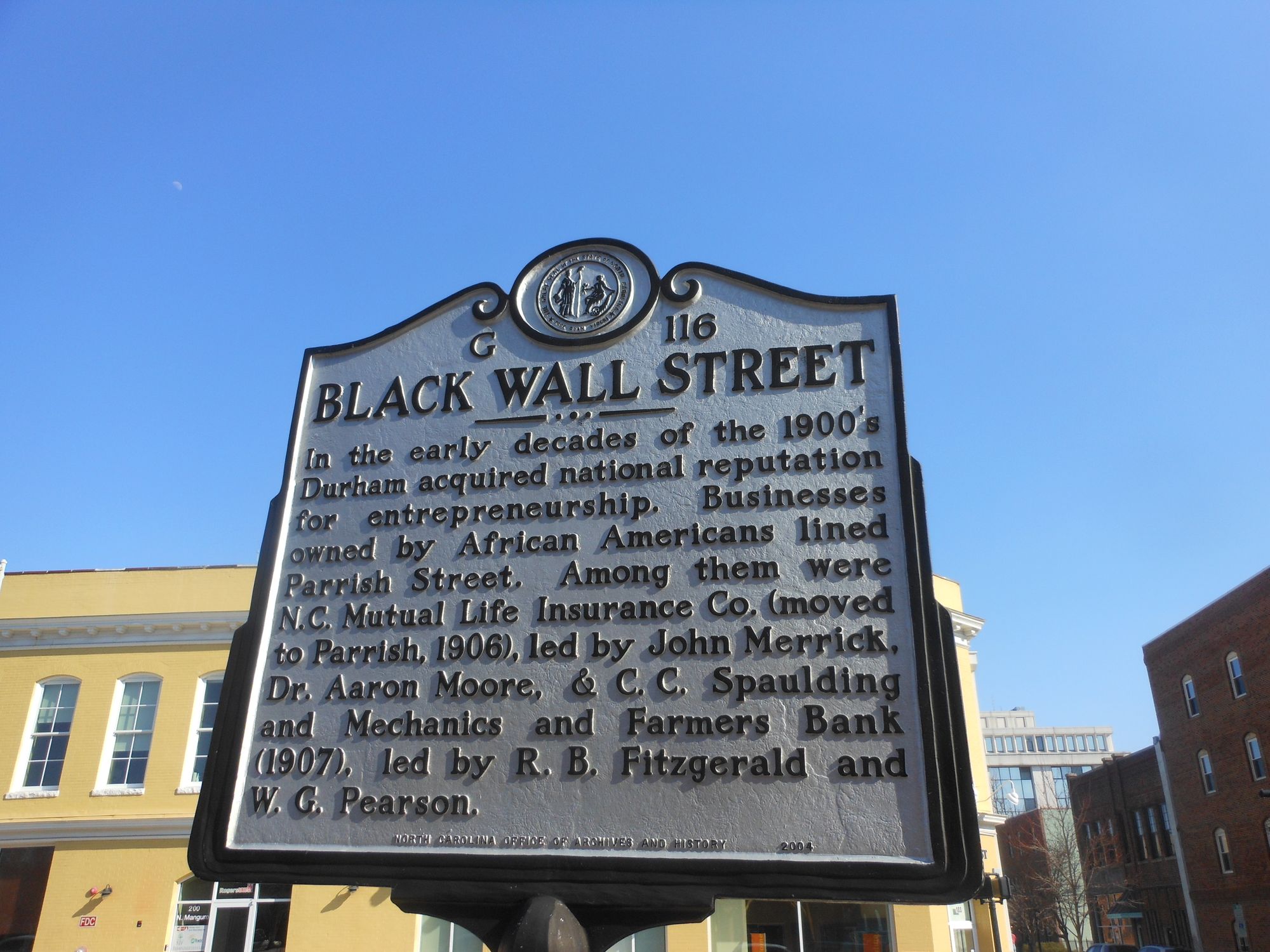
Racial IdentityNashville via Iran, Palestine and Black Wall StreetMaya Mansour: They built a highway straight through my mom’s thriving black neighbourhood in the Midwest.
Racial IdentityThere is something exceptional about black peopleMaya Mansour: The Baha'i writings compare black people to the “pupil of the eye”.
Racial IdentityIdentifying with the black and immigrant experiences in AmericaMaya Mansour: People get thrown when I say I am Persian because they don’t expect Persian people to be black.
Segregation in AmericaA domestic, a laundryman & a professorMy parents sent me to an integrated school but I was too mischievous – so I returned to an all-black community.
Baha'i FaithLike a thief in the nightI was a fundamentalist black Baptist who believed in the return of Christ – but the Baha’i teachings blew my mind.
Baha'i CommunityLeaving homeIf you’ve been in a black church you know how dynamic it is – leaving it for an inter-racial community was traumatic.
Baha'i CommunityGrowing up as a Civil Rights warriorThe Baha’i community taught racial unity and they also lived it – which was the goal of the Civil Rights movement.
Racial IdentityHollow options in the 1960sWe had friends who were Black Panthers – there was a lot of fronting with bullets and guns.
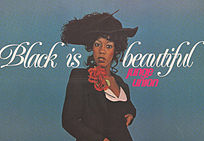
Racial IdentityBlack is beautifulThere was a deeply entrenched self-hate among dark-skinned African-Americans – it dated back to slavery.
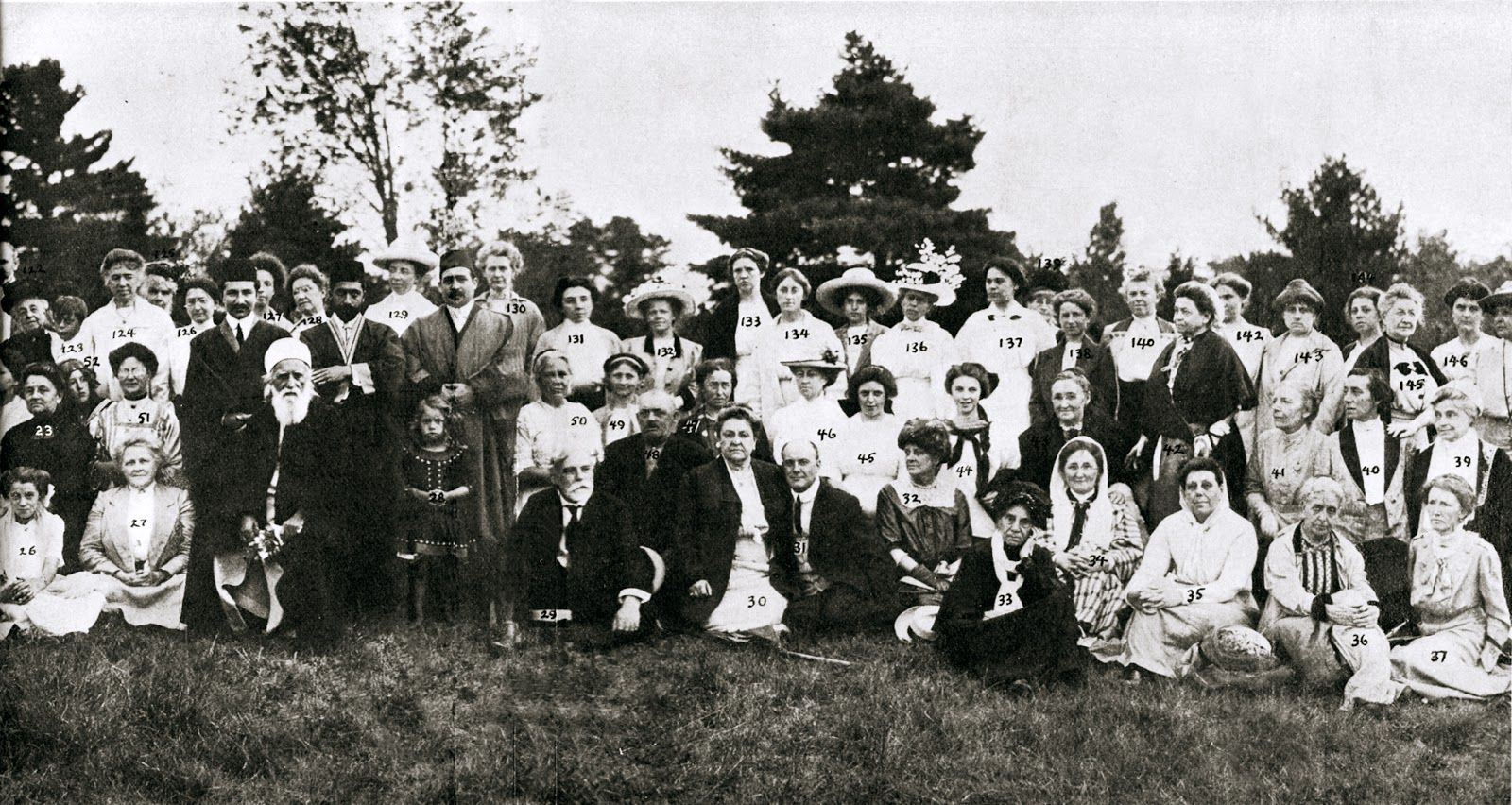
Baha'i CommunityAbdu’l-Baha in AmericaThe head of the Baha’i faith visited the United States in 1912 and described blacks and whites as sapphires and pearls.